


In 1963, the satirist Russell Baker compiled a list of political insults that defined the era’s bare-knuckled discourse. Among them was “bleeding-heart liberal,” a sneering label for anyone deemed too sympathetic to the downtrodden. It was a gentle barb by today’s standards – almost quaint. Fast forward to a 2023 episode of Joe Rogan’s podcast, and billionaire Elon Musk gravely warns that “the fundamental weakness of Western civilization is empathy.” Musk spoke of “civilizational suicidal empathy” as if caring itself were an existential threat. The evolution from Baker’s wry epithet to Musk’s apocalyptic alarm bell tells the story of how American right-wing rhetoric has weaponised compassion over the past half-century – twisting terms of empathy and decency into derision, and ultimately attacking empathy outright as a dangerous vice.
From Bleeding Hearts to Tree Huggers
The roots of this rhetorical shift trace back to the 1960s, amid the upheavals of civil rights, Vietnam protests, and the Great Society. Liberal idealists who advocated for racial equality, poverty alleviation, or peace were often dismissed as “bleeding hearts.” The phrase itself wasn’t new – it harkened to the image of Christ’s bleeding heart as a symbol of compassion – but in conservative hands it became a put-down. A “bleeding-heart liberal” was someone whose excessive sympathy clouded their judgment. The implied message: empathy was naïveté. If you felt too much for the poor or the oppressed, you were a soft-headed do-gooder, easily duped and not to be taken seriously.
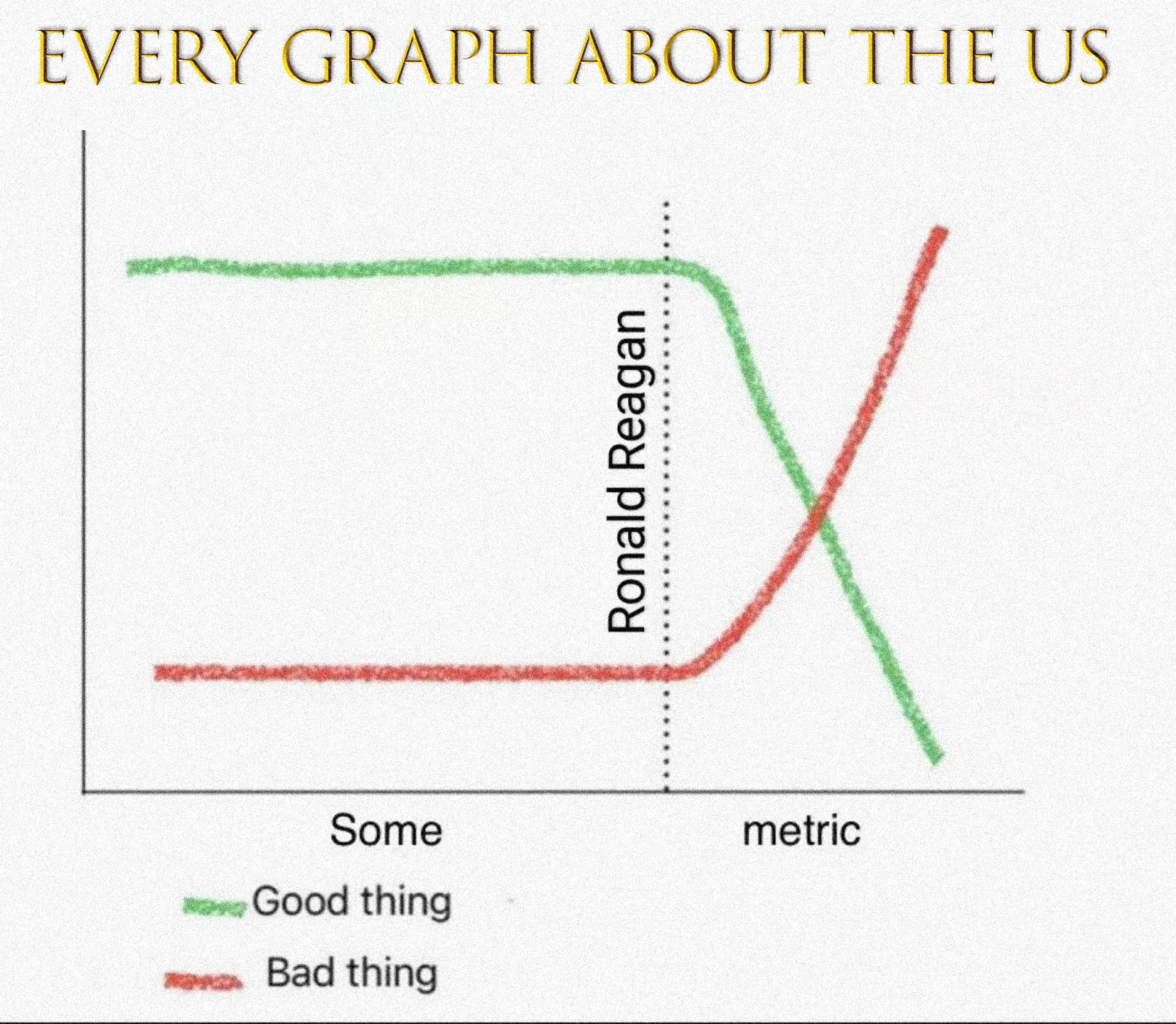
By the end of the ’60s, even rising Republican stars like Ronald Reagan used the term casually. “I was quite the bleeding-heart liberal once,” Reagan joked about his younger self, implicitly contrasting youthful idealism with his mature conservative “realism.” Liberalism, in this framing, was something one might grow out of – like shedding a sentimental weakness – and tough-minded conservatism meant having the guts to not bleed for every crying injustice. In the public imagination, the archetype of the hard-headed conservative versus the soft-hearted liberal was cemented. And “bleeding heart” would remain the go-to slur for generations of right-wing polemicists whenever opponents showed too much compassion for criminals, welfare recipients, or really anyone deemed undeserving.
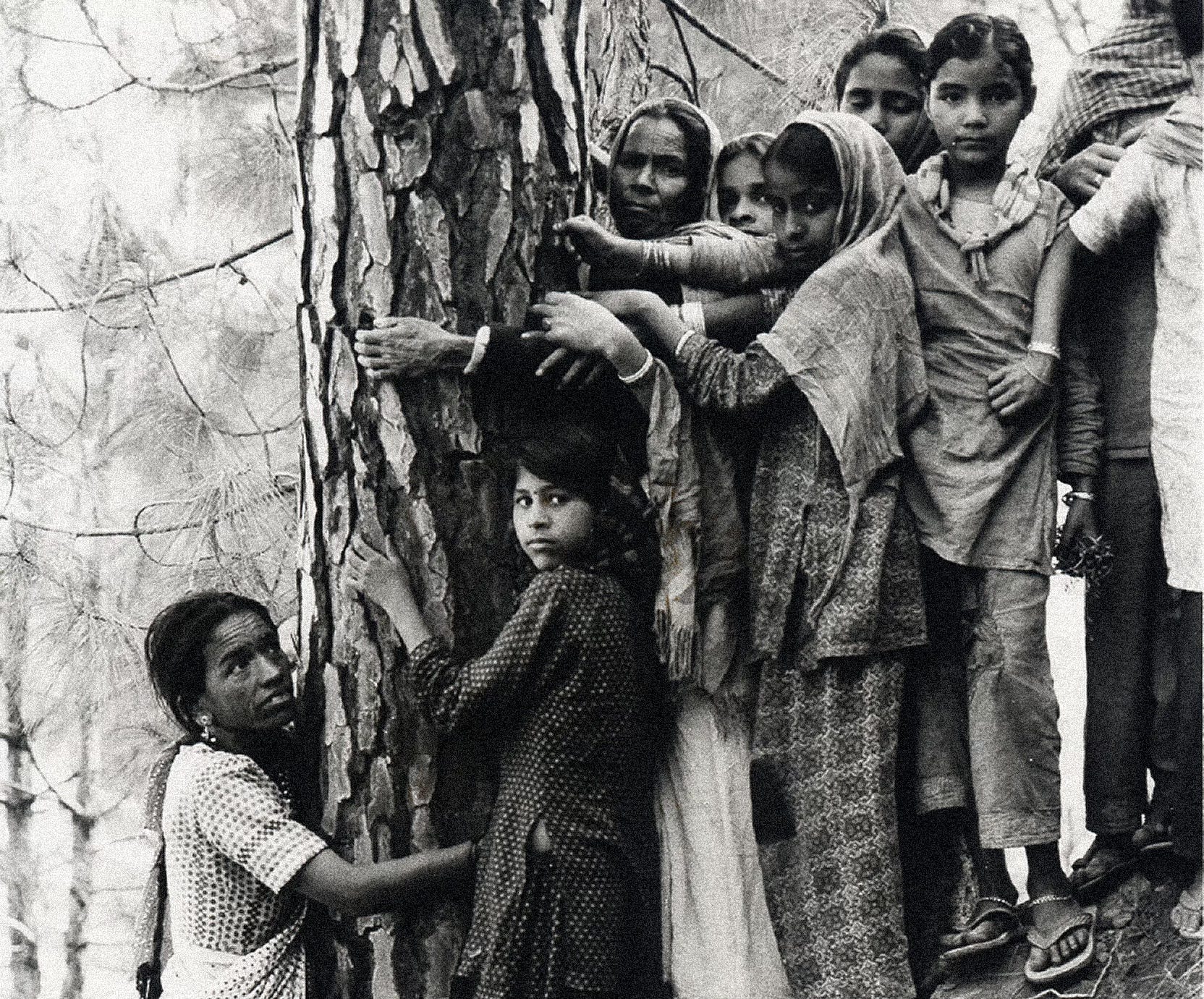
As the 1970s unfolded, new fronts in the culture wars gave birth to new epithets. The burgeoning environmental movement – from Earth Day activism to Save-the-Whales campaigns – elicited scorn from industry-friendly conservatives. Thus emerged the figure of the “tree hugger.” The label originated with a literal image (some environmentalists did chain themselves to trees to stop logging), but it was soon applied with a mocking chuckle to anyone vocally concerned about nature. To call someone a tree hugger was to suggest they were an irrational nature-lover, maybe a hippie, putting trees and critters above jobs and progress. The term carried a patronizing tone: Sure, she’s one of those tree huggers, implying a goofy excess of empathy for forests and owls. It allowed politicians and pundits to trivialize environmental concerns – and by extension, the empathy for future generations and other species that underpinned those concerns. A Cambridge Dictionary editor noted that “tree hugger” became a popular epithet used “with a humorous intention” by people who opposed giving the environment special protection – in other words, by those who found environmental empathy misguided or laughable (McIntosh, 2015).
Similar labels proliferated across conservative rhetoric. Advocates for peace were derided as “peaceniks” or “flower children,” terms that conjured images of unkempt hippies singing kumbaya – hardly a flattering portrait. If you opposed war or nuclear weapons on moral grounds, the right might sneer that you “love the enemy” or that you were a naive idealist unwilling to face hard realities. The thread running through all these jibes was a portrayal of empathy as immaturity or foolishness. Feeling too much for others – whether marginalized Americans, distant civilians in Vietnam, or endangered animals – was painted as a weakness that serious, grown-up people should overcome.
Notably, these early attacks were indirect: conservatives mocked the empathizers (the liberals, the activists) as bleeding hearts and tree huggers, but they didn’t yet say empathy itself was bad. The ridicule was wrapped in a veneer of humor or colorful language. Calling someone a “bleeding heart” or “tree hugger” had a facetious ring; it was dismissive without being overtly malicious. In effect, such euphemistic slurs allowed the right to belittle compassionate politics while still appearing folksy or jocular. A senator could crack that his opponent “never met a welfare program he didn’t love – real bleeding heart, that guy,” and score a laugh. A timber industry ad could cartoonishly portray environmentalists literally hugging trees. The digs were pointed, but delivered with a wink. This would not last.
From “Politically Correct” to “Snowflake”
By the 1980s and 1990s, the conservative lexicon of ridicule both expanded and sharpened. The Reagan Revolution and the rise of right-wing talk radio brought a new brazenness to mocking liberal empathy. Ronald Reagan himself mastered the art of the anecdotal jab – famously painting the image of a “welfare queen” driving a Cadillac, to undermine public sympathy for the poor. If bleeding-heart liberals fretted about the needy, Reagan suggested, they were being conned by cheats and loafers. This was a savvy escalation in the war on empathy: don’t just lampoon the empathizers, but also demonize the recipients of their empathy. The poor, the homeless, the marginalized could be recast not as victims of injustice but as undeserving or even dangerous. Feeling sorry for them was not only silly – it was wrong, because they were in the wrong. Thus the ground was laid for a more cynical rebranding of compassion: not merely as naïve, but as misplaced and harmful.
If the ’80s injected these ideas into mainstream politics, the 1990s supercharged them with raw partisan ferocity. This was the era of the “Culture Wars,” when conservatives found a new villain: political correctness. Initially, “politically correct” was an obscure term on the left, half-jokingly referring to toeing the progressive line. The right seized it and turned it into an epithet for liberal hypersensitivity. Suddenly, any attempt to show cultural sensitivity or avoid offense – say, using inclusive language or reconsidering mascots and monuments – was ridiculed as PC nonsense. The implication was clear: liberals care too much about other people’s feelings. In this telling, calls for inclusion or respectful language weren’t about decency; they were a form of thought-policing by the overly emotional. Conservative columnists and radio hosts had a field day railing against “PC culture,” painting campuses and media as ruled by thin-skinned leftists who couldn’t take a joke.
This was a pivotal shift. Terms like “bleeding heart” and “tree hugger” mocked lefty compassion as goofy, excessive but well-meaning. But “political correctness” cast compassion as something more insidious: a tool for censorship and a sign of moral weakness. A politician advocating multicultural curriculum or LGBTQ rights could now be slammed not just as a bleeding heart, but as a tyrant of tolerance – an oppressor imposing feelings over facts. By the late ’90s, “compassion” itself became politicized. Recall that in 2000, George W. Bush felt compelled to brand himself a “compassionate conservative,” implicitly acknowledging that conservatism had gotten a reputation for heartlessness. (The irony: even as Bush embraced the word compassion to win swing voters, his party apparatus was busy equating compassion-driven policies with folly.)
Meanwhile, right-wing media personalities took the rhetoric to ever more derisive heights. Rush Limbaugh, the talk-radio king of the ’90s, delighted in lampooning feminists, environmentalists, and liberals of all stripes. He popularized the term “feminazi” for women’s rights activists, conflating empathy for women’s equality with totalitarian extremism. In one sneering stroke, caring about gender justice became as laughable – and reprehensible – as, well, Nazism. The specifics were absurd, but the technique was effective: stigmatize empathy by associating it with something outrageous. If you support animal welfare, you’re an “eco-terrorist.” If you support racial justice, you must hate white people (cue terms like “reverse racism”). Every progressive cause was reinterpreted through a lens of sinister overreach or ridiculous caricature. Underneath the bombast was a clear message to the audience: These liberals may talk about justice or kindness, but really they’re crazy, hypocritical, and out to control you. You’re right not to feel sorry for the people they champion – those people don’t deserve your sympathy.
By the turn of the millennium, the cumulative effect of this rhetoric was a hardening of the conservative psyche – at least on the surface. Public figures on the right took pride in being tough, unsentimental, and unburdened by the “bleeding heart” tendencies of the left. Empathy was increasingly portrayed not just as a personal quirk to be teased, but as an ideological failing to be condemned. Still, most of the attacks were channeled through code words and snappy slurs. Conservatives spoke in terms of virtues (strength, realism, personal responsibility) versus vices (weakness, utopianism, dependency) without explicitly saying “empathy is a vice.” They didn’t need to; the implication was woven into every taunt about political correctness or every rant against “feel-good liberal policies.” The linguistic battlefield was being prepped for a new phase – one where the gloves would truly come off.
Killing “Woke”
If the stage had been set by the end of the 2000s, the 2010s delivered the climactic act. The rise of social media and the election of Donald Trump created a perfect storm for direct, unfiltered confrontations over cultural values. And the right-wing rhetoric, now supercharged by online trolling culture, shed its last reservations about polite euphemism. A fresh crop of insults burst into the mainstream, many originating in the internet’s underbelly but soon echoed by presidential candidates and cable news hosts. Perhaps the defining insult of this era was “snowflake.”
In common parlance, calling someone a snowflake meant they were overly fragile and self-centered in their fragility – melting at the slightest heat. This insult took off around 2015, aimed squarely at liberal college students protesting speakers or at young people demanding “safe spaces.” To the right, these youth embodied everything wrong with empathy and sensitivity run amok: they were seen as coddled, unable to handle tough ideas or harsh realities. The term “snowflake” went viral as a favorite meme of Trump supporters (“Dear Snowflakes, Trump is your President” became a popular bumper sticker after the 2016 election). Even more than “bleeding heart,” snowflake was a pure attack on emotional vulnerability. It implicitly celebrated the opposite quality: hardness. The ideal conservative in this view is someone who can handle any offense without complaint – because they simply don’t care. Stoicism blends with schadenfreude: it’s no longer enough for the right to resist feeling empathy themselves; they actively take pleasure in the tears of the left. “Own the libs” became a rallying cry – meaning, do or say things specifically to aggravate those sensitive liberals and enjoy their outrage. If liberals cried out in empathy for immigrant children separated from their parents at the border, some conservatives literally wore T-shirts reading “I ♥ Liberal Tears.” Cruelty had become a badge of honor, a marker of ideological commitment.
This period also saw an explosion of the term “SJW” – Social Justice Warrior, initially an ironic jibe in online forums that escaped into the real world. To call someone an SJW was to mock them as a performative do-gooder: endlessly “triggered,” obsessed with identity politics, and always “virtue signaling.” Virtue signaling, another concept born in the 2010s, accused people of only pretending to care to gain social brownie points. A British columnist coined the phrase “virtue signaling” in 2015, and it swiftly migrated to U.S. discourse (Bartholomew, 2015). Suddenly, any expression of empathy or solidarity – a celebrity tweeting support for #MeToo, a company donating to a refugee charity – could be cynically dismissed as virtue signaling. In other words: they don’t really care; they just want to seem righteous. This was a clever rhetorical jiu-jitsu. It allowed right-wing commentators to undermine genuine compassion by questioning its authenticity. If a politician spoke about empathy for the poor, you were invited to roll your eyes and assume it was a ploy for praise or votes. Sincerity was suspect; cynicism became the default. The very language of morality – virtue, justice, care – was weaponized and inverted to imply hypocrisy or weakness.
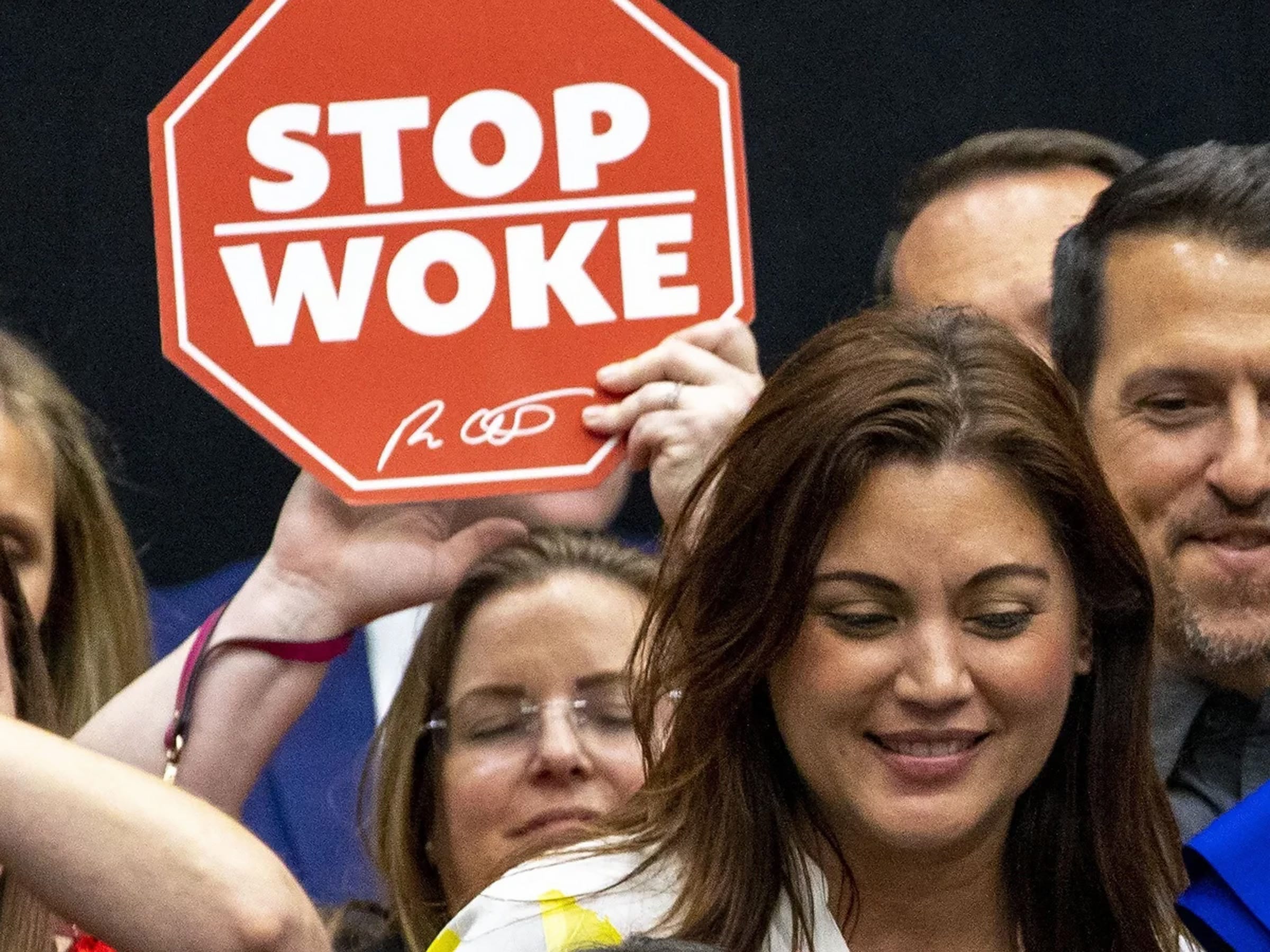
And then there was “woke.” Rarely has a word flipped so fast from laudatory to derogatory. Woke originated in Black American vernacular long ago, meaning awake to social injustice. For years, to call oneself “woke” was to signal awareness of racism and inequality, a positive badge within progressive circles. But by the late 2010s, conservatives had seized on “woke” as the umbrella term for everything they hated about contemporary liberalism. Police reform? That’s the woke mob attacking law enforcement. Diverse casting in a Hollywood film? Just woke Hollywood virtue signaling. A corporate HR program about bias? Damn woke indoctrination. The late POPE? Woke liberal! In the hands of right-wing pundits, woke came to stand for a kind of militant political correctness – an accusation that progressives care more about trendy activism and minority sensitivities than about truth or tradition. By 2019, “woke” was being used sarcastically in this way so widely that even centrist commentators adopted it as shorthand for leftist overreach (Romano, 2020; Mirzaei, 2019).
The transformation was so complete that conservatives started building entire campaigns around the fight against “wokeness.” In 2021, Republican governor Ron DeSantis boasted that his state (Florida, of course) was “where woke goes to die.” The word became a catch-all bogeyman: vague enough to encompass whatever the right found threatening, yet specific enough to carry the connotation of excessive empathy for the oppressed. Importantly, labeling someone or something woke now served the same function “bleeding heart” did decades prior – but with an added edge of menace. To be “woke” in right-wing discourse is not just to be naive, but to be part of a subversive, destabilizing movement. It implied disloyalty to American norms, a sort of fifth column of hypersensitivity. In short: empathy for the marginalized was reframed as an attack on the majority. Caring about racism meant you hated white people (the trope of “woke anti-white sentiment”). Caring about LGBTQ youth meant you were a “groomer” undermining traditional family values. The language grew more openly hostile and accusatory, shedding the last pretenses of humor. It is cynicism distilled: human decency rebranded as civilisational decay.
Through the MAGA years, this rhetoric spilled from Fox News studios and Reddit threads into the highest offices. President Donald Trump himself, though not an ideologue in the traditional sense, had an instinctual grasp of these verbal weapons. He reveled in insulting opponents as “weak”, “losers”, “crybabies,” and famously derided any hint of compassion that conflicted with his goals. When asked about potentially starving millions in Yemen due to U.S. policy, his response was a shrug – he wasn’t going to be “soft” just to avoid humanitarian catastrophe. On the campaign trail he declared, “I’m so tired of this politically correct crap,” to roaring applause – a clear signal that empathy would have no seat at his table. At the 2016 Republican National Convention, one speaker summed up the ethos in a mocking taunt to Democrats: “Trump isn’t polite, and he doesn’t always use nice words. And yay! Aren’t you sick of it?!” The crowd cheered wildly. The message: empathy, kindness, and niceties are for chumps, not leaders.
Linguistic scholars noted that the Trump-era surge in phrases like “snowflake” and “crybaby” closely mirrored the language drill sergeants use on new recruits – designed to harden them by shaming any softness (McIntosh & Mendoza-Denton, 2020). The goal is to weed out the weak and inure people to others’ suffering. In the political context, labeling your adversaries “snowflakes” serves to infantilize and delegitimize them, yes – but it also sends a broader cultural signal: Empathy is for the immature. The ideal citizen, in this view, is one with a “calloused quality,” steeled to the pain of others, willing to “turn a blind eye” to suffering in the name of a greater cause (McIntosh & Mendoza-Denton, 2020). By 2020, that ideal – the proudly unempathetic patriot – had become a cornerstone of the new right-wing identity.
“Empathy Is Toxic”
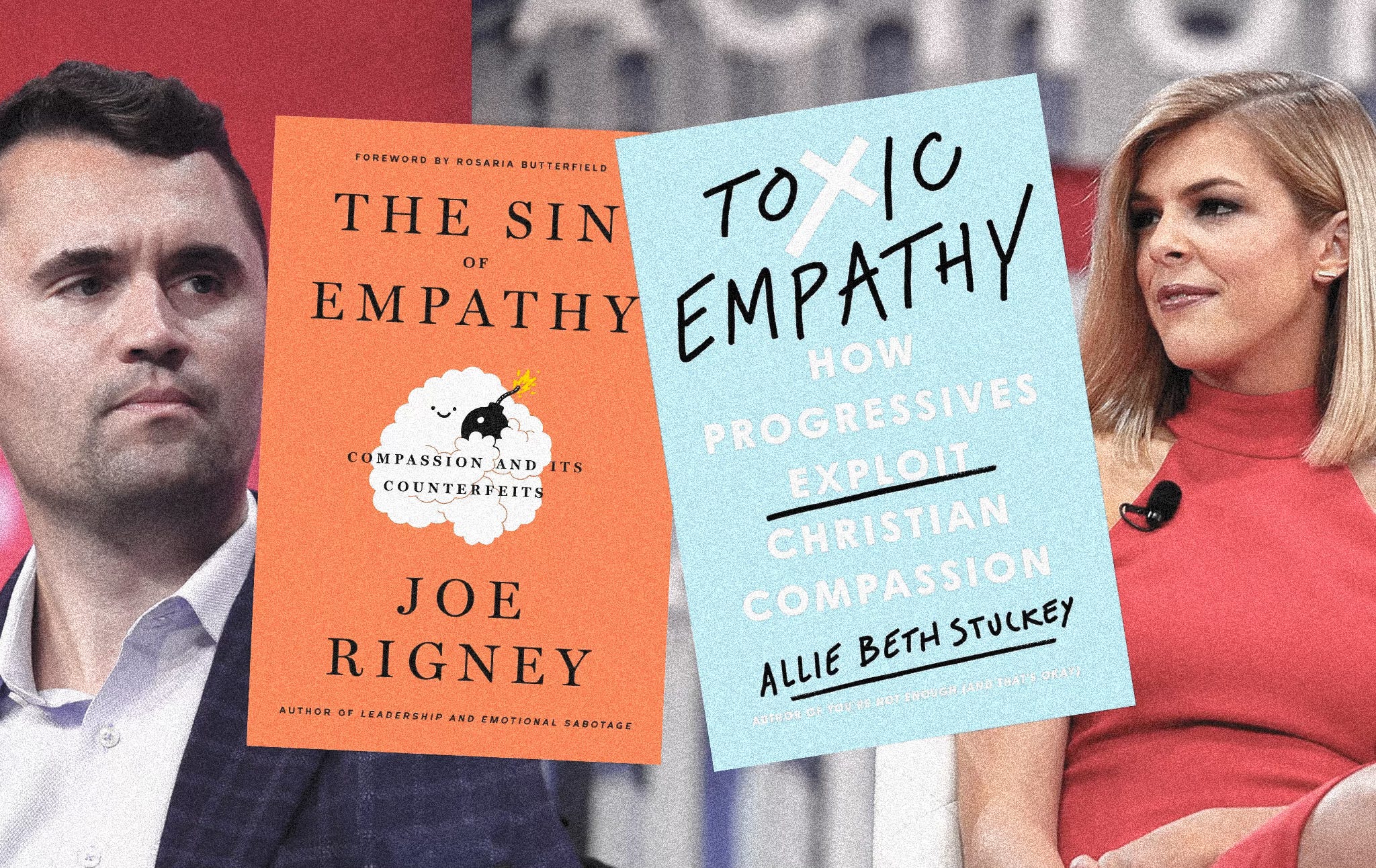
After decades of escalating rhetoric, the dam finally broke. In the 2020s, some conservatives have dropped all pretense and openly declared war on empathy itself. What was once implied is now said outright. Take, for example, an astonishing trend in certain evangelical Christian circles. Influential right-wing pastors and commentators have begun preaching that empathy is not a virtue at all, but a dangerous weakness. In 2021, a religious author named Joe Rigney even published a book bluntly titled “The Sin of Empathy.” Its thesis: Christians should practice sympathy (a more detached form of compassion), but reject empathy, because putting yourself in others’ shoes can lead you away from absolute moral truths. This notion percolated through fundamentalist podcasts and churches. By late 2024, you could hear pastors ominously warning their flocks that “Empathy will align you with hell.” (Yes, hell – that was a direct quote from Idaho pastor Josh McPherson.) On one conservative Christian podcast, McPherson exhorted, “Empathy is dangerous. Empathy is toxic. It almost needs to be struck from the Christian vocabulary.” The other pastors in the room nodded in agreement.
It’s hard to overstate how radical this is: the faith that once championed “love thy neighbor” and the Good Samaritan’s compassion now has prominent voices comparing empathy to a satanic temptation. As one bewildered center-right commentator observed, it’s a “strange spectacle of Christians against empathy” (French, 2023). What twisted logic underlies this? In these circles, “empathy” has been redefined to mean indulgence of sin or capitulation to liberal ideology. For example, if you empathize with a woman seeking an abortion, you might be tempted to soften your stance on abortion being murder. If you empathize with a gay teenager struggling with rejection, you might question your church’s condemnation of homosexuality. To prevent such backsliding, they reason, better to harden your heart. Teach congregants that feelings can deceive, that the truly righteous path is to cling to dogma even when faced with someone’s suffering. In a dark inversion of Christian love, heartlessness is recast as moral courage.

This extreme anti-empathy rhetoric isn’t confined to church basements; it’s cropped up in the secular right-wing as well, often intertwined with nationalism and xenophobia. Elon Musk, once known mostly as a tech mogul, has in recent years become a folk hero in MAGA circles for his combative stance against “wokeism.” On that 2023 Joe Rogan episode, Musk argued that Western civilization was at risk of “suiciding itself” because people have too much empathy – particularly, empathy for immigrants. The context was a discussion of immigration policies in the U.S. and Europe. Musk’s view (shared by many on the far-right) is that welcoming refugees or showing mercy to migrants is a fatal weakness that will lead to cultural ruin. “There’s so much empathy that you actually suicide yourself,” he warned. The terminology here – suicidal empathy, civilizational suicide – casts empathy not just as misguided, but as an existential threat. It’s as if compassion were a kind of societal auto-immune disease: caring about others to the point that you destroy your own community. This argument flips the script on traditional morality. No longer is cruelty something to be ashamed of; instead, empathy is framed as a kind of moral self-harm. The cruel person isn’t the villain anymore; the empathetic person is, because their empathy will supposedly get us all killed.
Think about the journey that brought us here. In the 1960s, conservatives at least paid lip service to Christian charity and the idea that kindness was good (even if they mocked its excess). In the 2000s, a Republican president proudly spoke of “the armies of compassion” and “compassionate conservatism,” suggesting empathy and conservatism could coexist. By the 2020s, we have loud voices on the right literally calling compassion a poison. The Overton window – what is sayable in public discourse – moved dramatically. A congressman in 1985 would never have thundered “Empathy is evil” on the House floor; by 2025, a candidate for office can seriously campaign on being anti-“woke compassion” and still win conservative votes.
The Unimaginable Cost of Cynicism
This cynical rebranding of human decency as weakness isn’t just a linguistic quirk or partisan game. It has profound real-world consequences. When one of our two major political tribes spends decades equating empathy with folly – and now with moral corruption – it reshapes policy, society, and even the character of the nation.
Policy implications are perhaps the most obvious. Government programs that rely on compassionate rationales – aid to the poor, refugees, healthcare for the vulnerable, environmental protection – find themselves on the chopping block in this climate. If empathy is “toxic,” then policies born of empathy are suspect by default. Consider immigration: the more the right paints migrants as invaders and sneers at “bleeding hearts” who defend them, the easier it is to justify draconian policies like family separation, refugee bans, or turning away asylum seekers. Indeed, under the Trump administration, officials explicitly argued that being “too compassionate” at the border would encourage more illegal crossings. In their view, empathy literally had to be disincentivized. The result: real people suffering, children in cages, families terrorized – while a significant segment of the public either shrugged or, worse, approved, believing this showed necessary toughness.
On the domestic front, dismissing empathy has led to an erosion of the social safety net. Why fund food assistance or homeless shelters if those in need are just lazy “takers” gaming the system? During debates on healthcare or unemployment benefits, one can practically set a watch by the conservative speaker who will deride the proposed help as “feel-good policy” or the product of “bleeding-heart liberals” – code implying that only cold, hard logic should prevail, and cold hard logic says: sink or swim. When empathy leaves the room, so do policies that express basic care for fellow citizens. We’ve seen this in fights over everything from child tax credits to disaster relief. Even responses to pandemics became polarized along these lines: public health measures – wearing masks, for instance – were mocked as virtue signaling for scared sheep. The underlying sentiment was that protecting others (especially strangers) was a form of weakness, not an obligation. Consequently, tens of millions refused simple measures like masks or vaccines, prolonging the pandemic carnage. In an empathy-hostile culture, appeals to “save Grandma” fall on deaf ears if listening requires being called a “snowflake.”
Public perception and social cohesion have also taken a hit. The relentless drumbeat portraying empathy as weakness or fakery has led many Americans to treat altruism with suspicion. When they see a video of protesters lying down in the street for a cause, their first reflex – nurtured by years of rhetorical conditioning – may be cynicism: “Ugh, more woke drama.” Sincere moral outrage is often dismissed as “crying” or “whining.” This dynamic creates a chilling effect: people hesitate to express empathy or even basic kindness publicly for fear of mockery. It’s not cool to care. Especially for young men in conservative environments, there’s social pressure to perform callousness – to share the cruel meme, to laugh at the offensive joke, to prove you’re not one of those sensitive snowflakes. Empathy, traditionally seen as a strength in building communities, becomes socially stigmatized. The result is a coarsening of interactions and a fragmentation of communities. We don’t see each other as fellow human beings with struggles; we’re conditioned to see displays of struggle or pleas for understanding as political ploys or signs of weakness.
This trend also poses a danger to democratic discourse. When empathy is removed from the equation, politics becomes purely a battle of wills and power, unmoderated by conscience. If I’m taught that showing concern for my opponent’s perspective is a fatal flaw, I will never seek common ground or compromise. Every issue becomes winner-take-all because acknowledging the humanity or valid feelings of the other side would be to lose face. We can see this in the shrill, unyielding tone of today’s debates. Whether it’s guns, abortion, race, or climate, the idea of understanding – or even listening to – the lived experience of those affected (be it shooting victims’ families, pregnant women in crisis, minorities facing discrimination, or communities hit by climate disasters) is frequently scorned on the right. Activists pleading for empathy are derided as “crisis actors” or manipulators. The well is poisoned against any narrative that asks, “How would you feel if this happened to you?” The answer among the empathy-resistant crowd is often, “It wouldn’t happen to me, because I’m not weak – so I don’t care.” That shuts down conversation and pushes each side further apart, validating the worst fears each has of the other.
Moreover, when cruelty is celebrated and empathy vilified, it encourages extremism and even violence. Dehumanizing language – calling immigrants “illegals” or protestors “animals” or opponents “enemies of the people” – lowers the barrier to treating those people harshly. If one truly believes that caring about “those people” (fill in the blank: the poor, minorities, LGBTQ folks, refugees) will destroy the country, then one might feel justified in doing anything to stop them or the bleeding hearts who champion them. That’s how you get dangerous rhetoric like “second amendment remedies” or lawmakers joking about hitting protestors with cars. It normalizes cruelty as a political tactic.

There is a bitter irony here worth noting: a movement that often claims to stand for “Christian values” and traditional morality has systematically turned core moral values on their head. Traits like mercy, humility, and charity – long upheld as virtues in Western thought – are recast as vices. Meanwhile, qualities historically seen as vices – callousness, greed, hatred – are practically extolled under guises like “toughness,” “entrepreneurial spirit,” and “righteous anger.” It brings to mind George Orwell’s 1984, where War is Peace and Ignorance is Strength. Here, Cruelty is Courage and Compassion is Corruption. The linguistic double-speak would be almost laughable if its effects weren’t so destructive.
Yet, even as we trace this disheartening trajectory, it’s important to remember that rhetoric can change – and with it, culture can heal. Just as public attitudes have been molded to sneer at empathy, they can be un-molded, given the right leadership and messaging. There are conservative voices (though quieter) pushing back on this trend, warning that a society that prides itself on lack of compassion is not one any of us should want to live in. Empathy, far from being civilization-killing, is arguably civilization’s foundation – the glue that allows diverse individuals to coexist and care for the common good. History shows that periods of great social progress (civil rights, women’s suffrage, workers’ rights) were propelled by expanding our circle of empathy, not shrinking it.
In the end, the war on empathy is a war on our better angels – a war on the very idea that we owe each other understanding and care simply because we are fellow humans. The past five decades have seen that idea take a beating in American public life, twisted and battered by ridicule and rage. But empathy is a stubborn thing. It survives in the quiet, uncynical actions of ordinary people: neighbors helping neighbors, doctors treating the uninsured, volunteers aiding disaster victims without checking their politics. This basic human decency persists beneath the din of punditry.
The challenge ahead is whether our political language – our leaders and media – can rediscover a respect for those decencies. If demonizing empathy continues to be rewarded with clicks, ratings, and votes, it will continue, and we may well spiral into an ever more fractured, cold society. But if enough Americans, across the spectrum, reclaim empathy as a strength – if we collectively start seeing through the cynical sneers and call out cruelty for what it is – then perhaps this trend can be reversed. After all, terms and trends come and go. The need for empathy does not. A functioning democracy, and indeed a healthy society, cannot thrive on “suicidal empathy” any more than it can on suicidal cruelty. We must find our way back to valuing the empathy that, at our best, makes us human – and reject the nihilistic rhetoric that tells us compassion is for the weak.
References
Bartholomew, J. (2015, April 18). Election debate: Wake up, Britain – you’re becoming a nation of virtue signallers. The Spectator. (Origin of the term “virtue signaling” in modern discourse)
French, D. (2023, January 26). Behold the strange spectacle of Christians against empathy. The New York Times. (Discussion of evangelical backlash to empathy, highlighting its conflict with Christian teachings)
Laskow, S. (2017, Feb 15). The true origins of the phrase “bleeding-heart liberal.” Atlas Obscura. (Historical analysis of “bleeding heart” as a political insult and its rise in the 1960s)
McCammon, S. (2025, March 22). How empathy came to be seen as a weakness in conservative circles. NPR Weekend Edition. (Report on current conservative rhetoric attacking empathy, including quotes from Elon Musk and evangelical pastors)
McIntosh, J., & Mendoza-Denton, N. (2020). Crybabies and Snowflakes. In Language in the Trump Era: Scandals and Emergencies (pp. 85–102). Cambridge University Press. (Academic examination of “snowflake” and similar insults as tools to discourage empathy and enforce toughness)
McIntosh, C. (2015, Oct 8). Tree huggers and climate change deniers. Cambridge Dictionary Blog. (Explanation of “tree hugger” as an epithet for environmentalists, used humorously by opponents of environmental protection)
Mirzaei, A. (2019, Sept 8). Where ‘woke’ came from – and why marketers should think twice before jumping on the social activism bandwagon. The Conversation. (Overview of the history of “woke” and its co-option as a pejorative in late 2010s)
Romano, A. (2020, Oct 9). A history of “wokeness”: Stay woke – How a Black activist watchword got co-opted in the culture war. Vox. (In-depth analysis of the evolution of “woke” from a term of awareness to a political insult)
Serwer, A. (2018, Oct). The cruelty is the point. The Atlantic. (Exploration of how the Trump-era right derives political identity and cohesion through acts of cruelty and the enjoyment of liberal outcry)
Rigney, J. (2021). The Sin of Empathy: How Emotion Can Be Exploited by Evil. Wilson, WY: Canon Press. (Manifesto by a conservative author arguing that empathy leads Christians astray – emblematic of the modern conservative rejection of empathy)
So timely. And so beautifully written. Thank you for seeing this and caring enough to write it. /Jenny
https://open.substack.com/pub/mdavis19881/p/polirant-the-hate-at-the-heart-of?r=19b2o&utm_medium=ios